Most merger announcements talk about growth. Few talk about software. Yet somewhere between the press release and the projected synergies, a practical question appears.
Which CRM are we keeping? Then another. What happens to the ERP? And then dozens more.
Two sales teams are using different processes. Finance operates in separate systems. Customer support follows entirely different workflows. Employees who performed the same job yesterday now use different tools, different terminology, and different approval chains. The technology challenge is obvious. The human challenge is usually bigger.
People are expected to adapt to unfamiliar systems while continuing to do their jobs. Knowledge that once lived comfortably inside one organization suddenly becomes fragmented across two. Documentation rarely matches reality. Training programs struggle to keep pace with decisions that change weekly.
This explains why software adoption has become a recurring part of post-merger integration plans.
The platforms below are often evaluated by organizations trying to reduce confusion, preserve operational knowledge, and help employees navigate major system changes without overwhelming internal support teams.
What Makes Post-Merger Adoption Different?
Most software rollouts start with a clean plan. Post-merger integrations rarely do. Systems overlap. Processes conflict. Departments disagree about terminology. Employees inherit workflows they have never seen before.
There is also a timing problem. Organizations cannot pause operations while everyone learns the new environment. Customer requests still arrive. Invoices still need approval. Sales teams still need access to data.
As a result, adoption tools often become less about training and more about continuity. The best platforms help organizations answer questions before they become support tickets.
Some Teams Prioritize Documentation. Others Prioritize Guidance.
One company may be trying to preserve process knowledge before key employees leave. Another may need help supporting thousands of users across multiple applications.
Some want analytics. Others simply want employees to stop asking where a particular workflow begins. The platforms below reflect those different priorities.
1. Tango
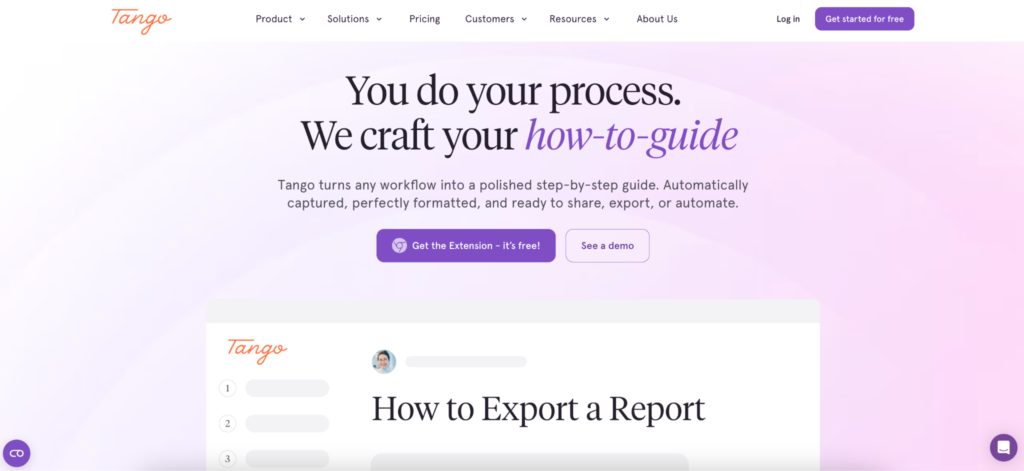
Merger integrations create a strange situation. Processes that have worked for years suddenly need explanations. Employees who were experts last month become beginners overnight because the system around them has changed.
This is often where documentation efforts begin. Unfortunately, documentation projects can become almost as overwhelming as the integration itself. Tango focuses on making process knowledge easier to capture and easier to distribute.
Teams can create structured workflow guides while completing tasks and share those guides across departments without building extensive documentation programs around them.
The platform is frequently used alongside enterprise systems such as Salesforce, Oracle, NetSuite, Workday, and similar business applications.
Capabilities include:
- Workflow documentation
- Process guides with screenshots
- Embedded guidance
- Branching logic
- Adoption analytics
- Cross-platform support
One reason Tango fits post-merger environments well is that integrations rarely involve a single application. Teams often need to support several systems simultaneously while helping employees understand how those systems connect.
2. WalkMe
Some mergers involve thousands of employees spread across multiple business units. At that scale, adoption becomes less about documentation and more about coordination.
WalkMe is commonly associated with large enterprise transformation initiatives where organizations need structured guidance, governance, and visibility into user behavior across multiple applications.
The platform is frequently used during:
- Enterprise-wide software transitions
- ERP consolidation projects
- CRM standardization initiatives
- Large change management programs
For organizations managing significant operational complexity, WalkMe often enters the conversation early.
3. Whatfix
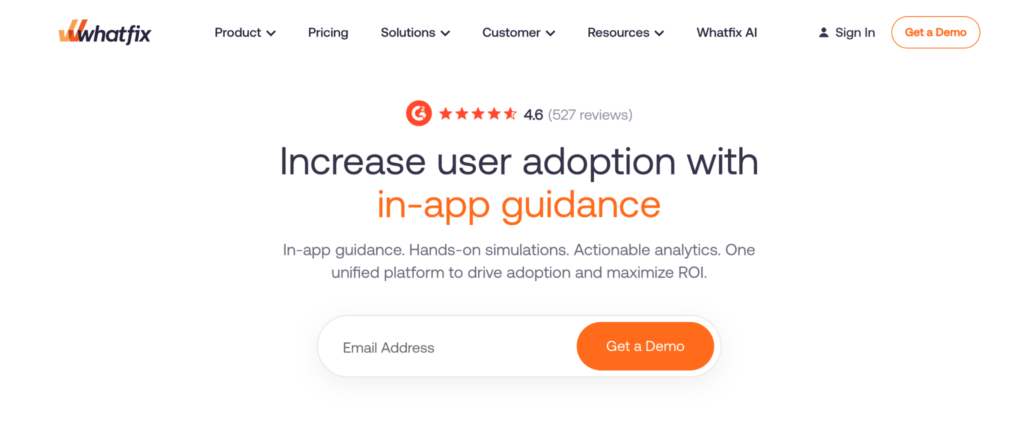
A merger can create an unusual learning environment. Processes change constantly. What employees learned two weeks ago may already be outdated.
Traditional training struggles under those conditions because people cannot retain information that keeps evolving.
Whatfix addresses this challenge by delivering guidance directly inside applications. Instead of expecting employees to memorize workflows, the platform provides assistance while tasks are being completed.
This approach can be useful when organizations are gradually moving users from one system environment to another.
4. Spekit
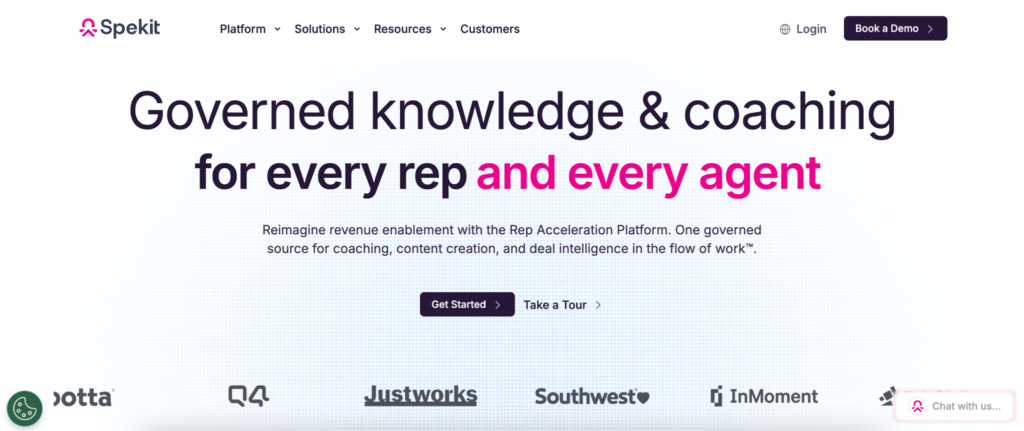
Knowledge tends to become fragmented after an acquisition. Documentation exists. Finding it becomes the challenge. One team stores information in SharePoint. Another uses a knowledge base. Someone else maintains process notes in a CRM.
Employees spend surprising amounts of time searching. Spekit focuses on bringing information closer to where work happens. Rather than requiring users to leave their workflow and search elsewhere, guidance can be surfaced directly inside the tools they already use.
For organizations attempting to unify teams after a merger, reducing that friction can make a noticeable difference.
5. Stonly
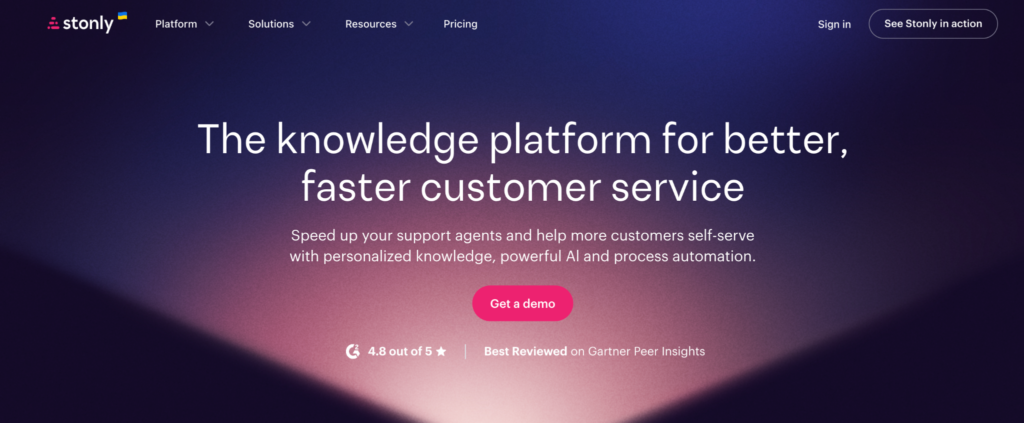
Not every integration challenge involves a straight-line process. Many involve exceptions. Different customer groups may follow different workflows. Legacy systems may remain active during transition periods. Certain departments may operate under temporary rules while migration projects continue.
Static documentation often struggles to reflect those realities. Stonly takes a more interactive approach through decision trees and adaptive workflows.
The platform helps users navigate situations where the next step depends on the answer to the previous one.
That flexibility can be valuable during transitional periods when process consistency has not yet been fully established.
6. Pendo
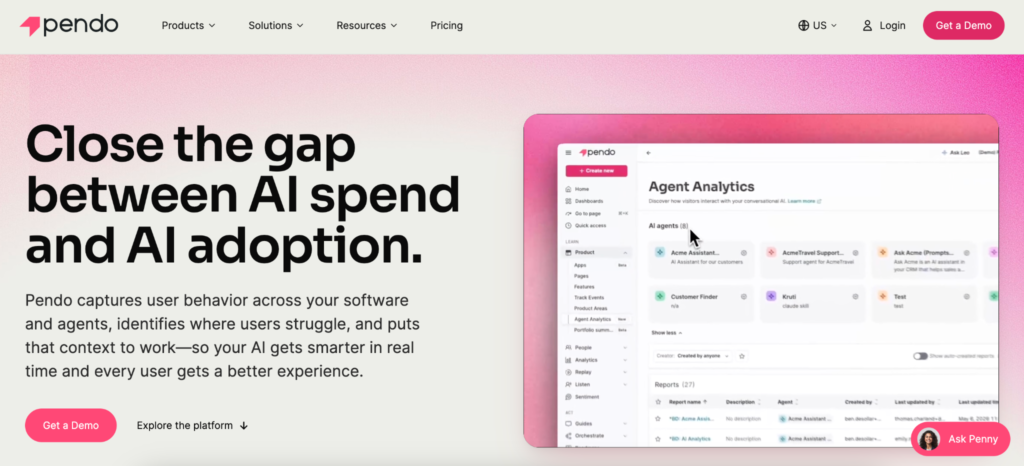
One risk in any post-merger integration is assuming people are using systems correctly simply because they have access to them.
The reality can look very different. Employees may avoid certain workflows. Features may go unused. Entire teams may continue relying on old habits despite migration efforts.
Pendo helps organizations see those patterns. Its analytics capabilities provide visibility into how users interact with software, helping leaders identify where adoption is progressing and where additional support may be required.
For organizations trying to measure integration success, that perspective can be useful.
7. Guidde
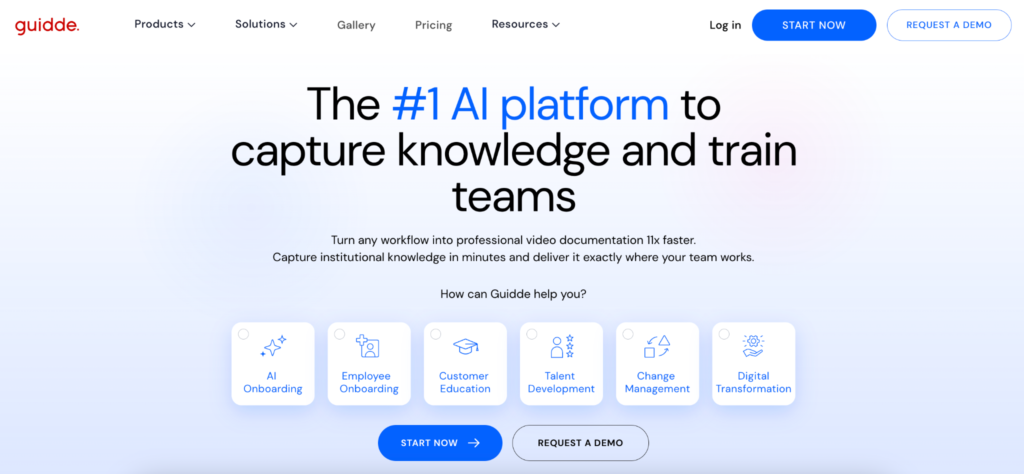
During large integrations, documentation requests seem to multiply endlessly. Every process needs a guide. Every department needs instructions. Every change generates another explanation.
Guidde is often used by teams looking for a straightforward way to create visual process documentation without turning documentation into a full-time job.
The platform’s simplicity makes it attractive during periods when speed matters more than building a comprehensive adoption ecosystem.
Sometimes teams simply need usable guides by tomorrow morning.
8. Trainual
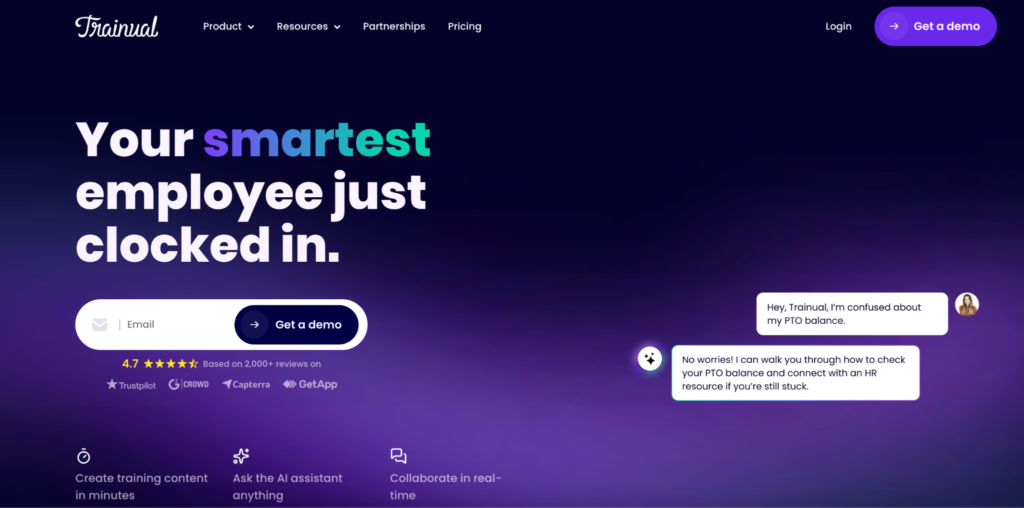
When organizations bring together employees from different companies, standardizing operational knowledge becomes a major task.
Trainual focuses on helping businesses document procedures, policies, and recurring workflows in a centralized environment.
The platform is commonly used by organizations trying to establish consistency after periods of rapid change.
Although it is not exclusively focused on software adoption, it often appears in evaluations where process standardization is a major objective.
The Hard Part Isn’t Migrating Data
Technology teams often spend months preparing migration plans. Data gets mapped. Integrations get tested. Infrastructure gets reviewed. Those tasks are difficult. Yet many post-merger projects encounter their biggest challenges after the technical work is finished.
Employees need to understand new workflows. Departments need to follow shared processes. Institutional knowledge needs to survive the transition.
The human side of integration tends to last much longer than the migration itself.
When Two Organizations Become One
Post-merger integrations create a rare situation where software, processes, and culture all change at the same time. That combination can overwhelm even experienced teams.
The platforms above approach the challenge differently. Some focus on documentation. Others prioritize guidance, analytics, or knowledge delivery.
What connects them is a shared goal: helping employees navigate unfamiliar systems without slowing down the business. Because long after the migration project closes, people still need to know how work gets done.